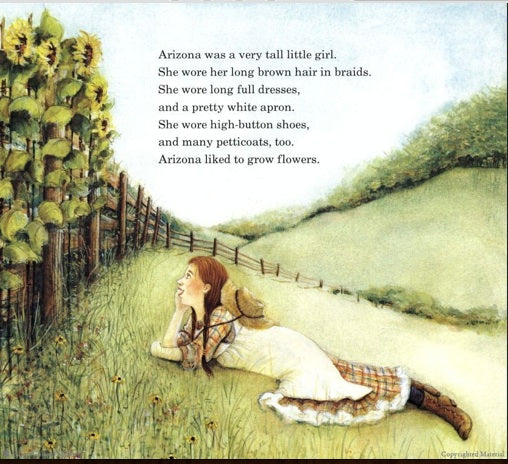








 My great-aunt Arizona
Shelby Lee Adams invited me to a party. It's this June in the backwoods of Kentucky, and it will celebrate his recent Guggenheim Fellowship. Mind you, I've never met the man. At this point, we had exchanged exactly one email each, and his contained this invite:
"A thought, I'm having a party in Leatherwood, Ky...If you're interested, you could attend. You could interview friends and subjects."
This is remarkable and not just because Adams' is a renowned photographer. (His work has been exhibited in scores of museums and is included in the world's best permanent collections.) I'm struck by the invite because he has been criticized by bloggers, reporters, and art critics--people like me.
For 36 years, Adams has followed a single, close knit mountain clan. The resulting images are arresting and, I've noticed, decidedly inclusive. He shows everyone from these Eastern Kentucky hollers--bare chested young men; pregnant girls; old folks with faces so creased they look like they're made from dried apples; snake handlers; mourners; dead people; children who are disabled or dirty, some in diapers, some dressed in their Sunday best.

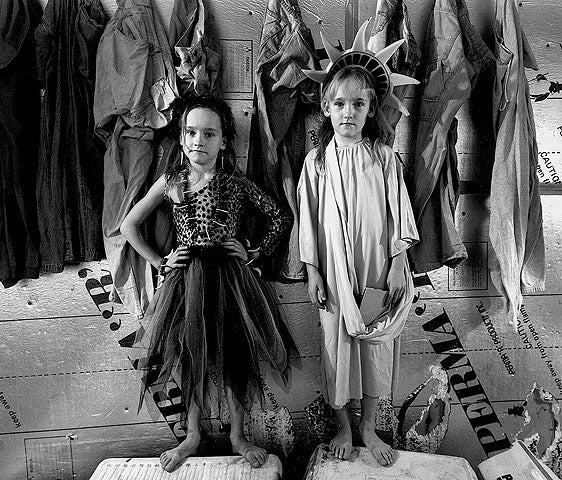
They're all here, and they're all staged. Adams' work is more portraiture than documentary. He composes his shots. He uses special lighting and props. It's not unusual to see beautifully lit hog parts or a living room papered with newsprint. The images are self-consciously raw. That's one reason they've taken so much heat.
Vicki Goldberg, a critic for The New York Times seems to both admire and critique Adams' work. She wrote the introduction to his 2003 collection, entitled "Appalachian Lives," but has also referred to his photographs as historical recreations, not contemporary depictions of mountain life. Others have said that they're romantic or manufactured. Bill Gorman, the Mayor of Hazard, Kentucky, went so far to say, “I don’t think this is average… I think it’s the kind of thing that sells.”
In my second email, I told Adams how grateful I was for the party invite, that I need to see if I can make it fit with work and family life, and I asked how he responds to this criticism. He explained that composing the shots actually creates an opportunity to collaborate with his subjects. He shows them Polaroids before any final photos are taken. "My work is collaborative because my subjects respond to the Polaroid’s and change or contribute to the compositions their ideas, locations and feelings," he said. "I think it’s a more honest exchange with no surprises."
There are other critics who reach beyond Adams and point at the subjects themselves. A. D. Coleman, a noted art critic, has said that Adams' pictures "call for a very sophisticated kind of reading. And I’m not sure that these people have the education, the visual educational background, to understand how these pictures read.”
Personally, I find this belittlement of mountain people infuriating. I think that the only ignorance it exposes is Coleman's, but Adams responded cooly with quotes from his subjects and fans:
"We know whether or not you're lookin' at us as some poverty stricken little poor feller. We know. I see a culture that's dying in your pictures. I see a way of life that's dying that may no longer exist. It's important what you do." -- Hobert White, photography subject
"Seeing that world through your eyes gave me something I never fully grasped before, and I'm not even sure if I can explain it to you. It gives me a kind of pride in the hardships we all survived. Pride in the goodness of those people -- my people." -- Sarah, an Appalachian native who now lives in Mississippi

Sarah's quote, in particular, struck me. I'm from Appalachia too, and I feel pride in mountain life. It's there in spite of the hardship, maybe even because of it. If I hadn't grown up huddled around a kerosene heater or drinking God awful, government-issued powdered milk, a piece of me would be missing. I wouldn't be a member of this clan.
This is where insiders, Appalachian natives, might look at these photos differently. Other folks see desperation and poverty; some even call Adams' photos "creepy." Many of us from the mountains see beauty and honor.
Sure, life there is hard. A dry ceiling and a full belly are never a given, but some things are. The sun is going to rise up over the ridge in the morning and burn off the fog. You can always walk through the woods with your grandkids and show them deer tracks. When you need them, kith and kin are a stone's throw away, ready to lend a hand, an ear, $5 for cigarettes, or an extra hamburger when they can afford to go out and splurge.
A. D. Coleman suggests that we aren't looking at these pictures right, but I can't help but think that there's another dynamic here. Maybe we know enough about mountain people to appreciate the full depth of Adams' work. Mixed with the obvious pain, we see people's pride, their love and the indescribable freedom that exists in their peculiar mountain lives. We can read these images because we, unlike Coleman, are part of the same clan. We are invited to the party.
View more of Adams' work.
 - Are more episodes on the way?

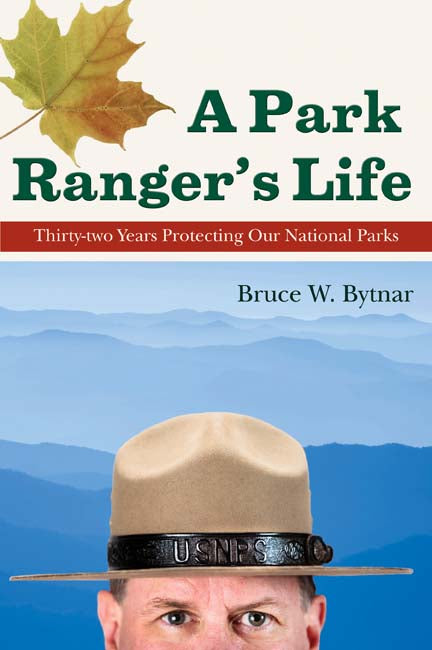
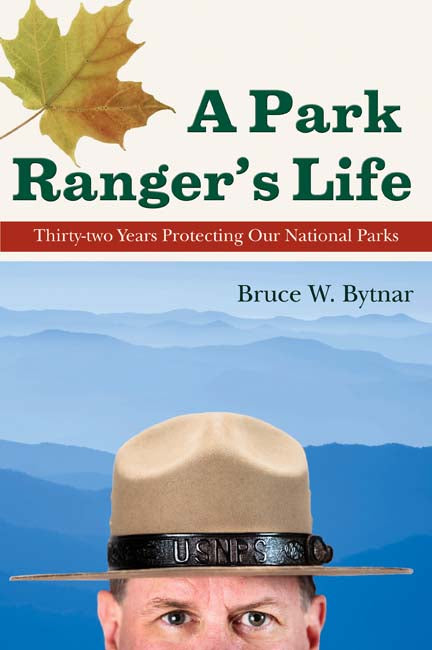
 For 23 years, Bytner worked on the Blue Ridge Parkway.[/caption]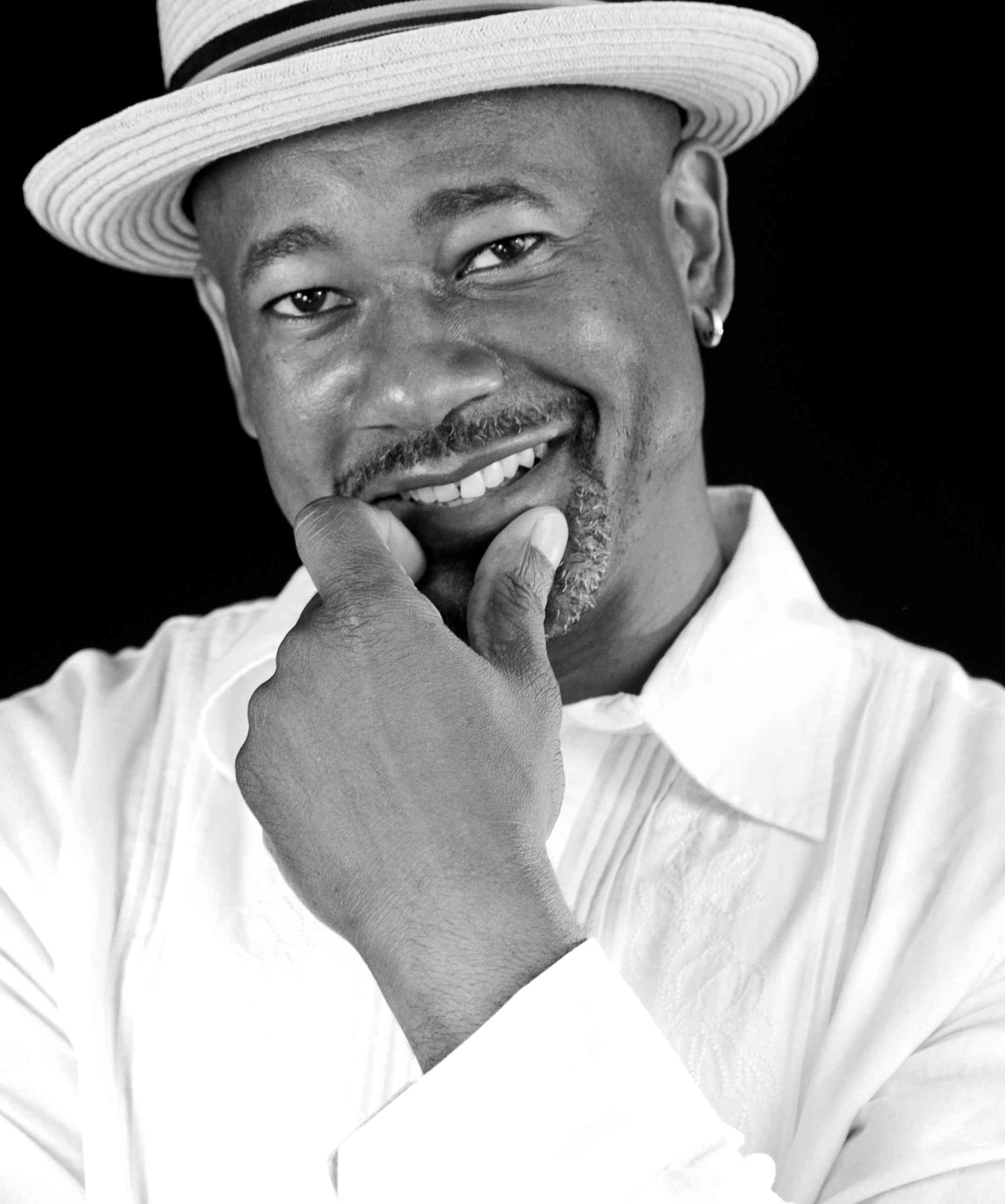
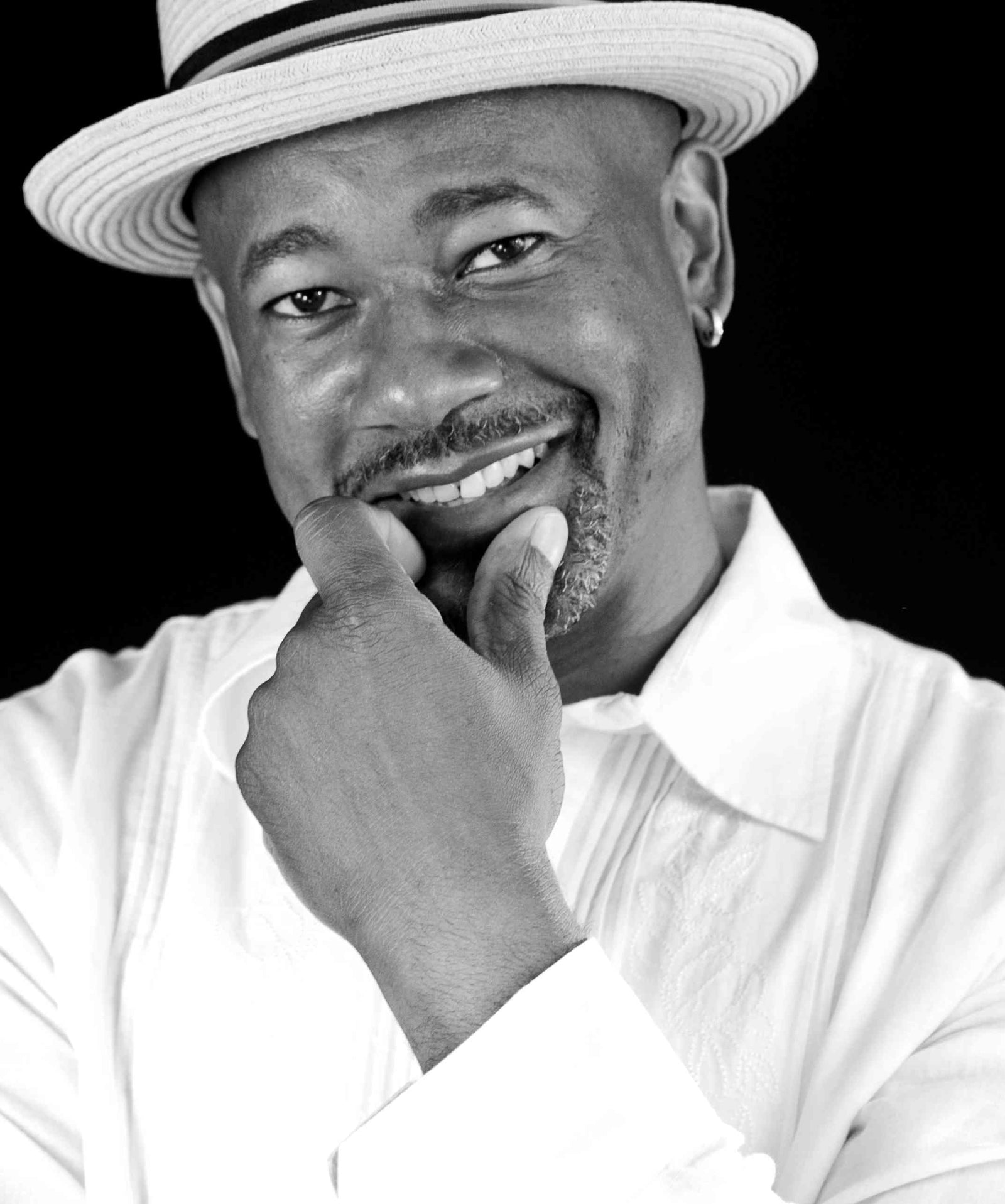
 Frank X Walker[/caption]
 Photo Credit: G. P. Cooper[/caption]
 The folks at Appalshop are getting high falutin in February. To celebrate 40 years of Appalachian film, they're packing up their reels and heading to New York City. The Kentucky based film and culture center will have a three day showcase, February 19-21, at MoMA's Documentary Fortnight 2010.
 My sighting was in third grade. Somewhere east of Sunrise Avenue, an egg shaped object hovered in the sky. It was overcast. I stood in the middle of road holding my breath, watching the egg drift left then right, slower than the clouds themselves. It was an impossible white, a white that should have burned my eyes. It didn't.
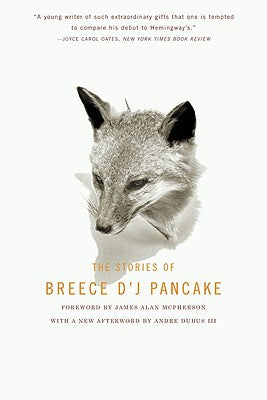
 In April 1979, Breece D'J Pancake broke into a neighboring home in Charlottesville, Virginia. He sat alone in the dark until the owners returned; then he bolted to his own place and unloaded a shotgun into his mouth. He was a powerful drinker; apparently depressive; and, though he may not have known it, he changed Appalachian literature.
Plus first dibs on sales, the latest stories, & heaps a'luvin from us.