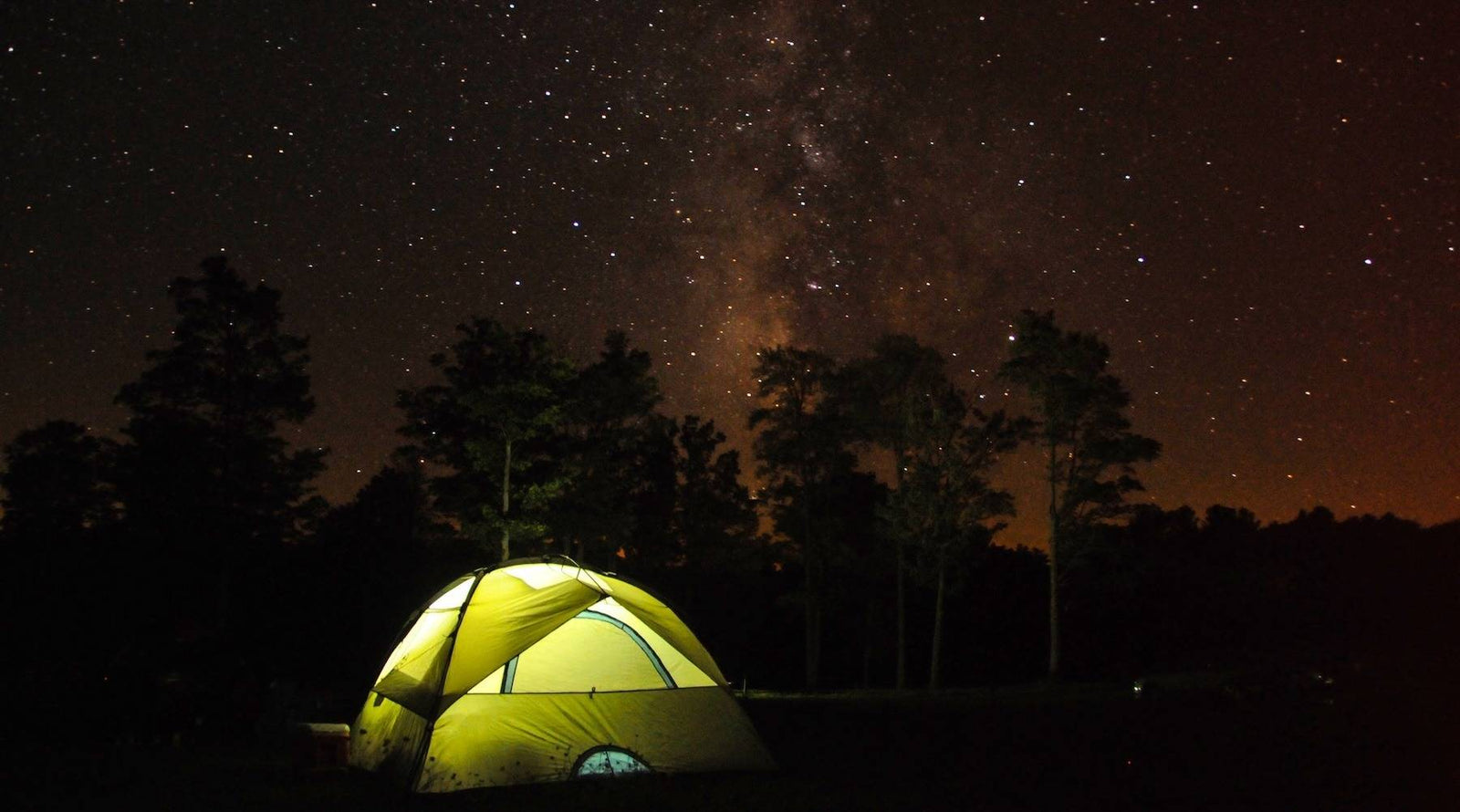

A tent offers a front-row seat to the star-filled skies above Cherry Springs State Park in Pennsylvania. Photo courtesy of Cherry Springs State Park.
Pack a blanket, turn off the headlights, and prepare to feel wonderfully small under the Appalachian sky.
Stars have always been there, but these days, seeing them can take some work. Artificial light from homes, highways, businesses, and billboards now washes out much of the night sky, leaving many Americans with a better view of the nearest Walmart sign than the Milky Way.
Thankfully, Appalachia still has places where darkness settles in thick. From a mountaintop astronomy field in Pennsylvania to a high-elevation bald in North Carolina, these destinations offer front-row seats to the oldest show on Earth.
Burnsville, North Carolina
Mayland Earth to Sky Park brings the universe a little closer to home. This International Dark Sky Park near Burnsville is home to the Bare Dark Sky Observatory and the Sam Scope, a 34-inch Newtonian telescope with a mirror wide enough to make distant planets, stars, and other celestial wonders look downright neighborly.
During monthly Community Viewing Nights, astronomers guide visitors through two hours of skywatching with the Sam Scope and a smaller 14-inch planetary telescope. Space is limited, and tickets tend to disappear faster than a shooting star, so reservations are required.
Coudersport, Pennsylvania
Cherry Springs State Park is to stargazers what Dollywood is to Dolly fans: hallowed ground. Sitting about 2,300 feet above sea level and surrounded by the Susquehannock State Forest, the park is protected from much of the artificial light produced by nearby towns and cities.
Casual observers can use the Night Sky Public Viewing Area, while serious astronomers can reserve space in the overnight Astronomy Observation Field, a dedicated viewing area with concrete telescope pads and electrical hookups. The park also hosts public programs throughout the year for folks who cannot tell Cassiopeia from a casserole.
SNACKS FOR STARGAZING



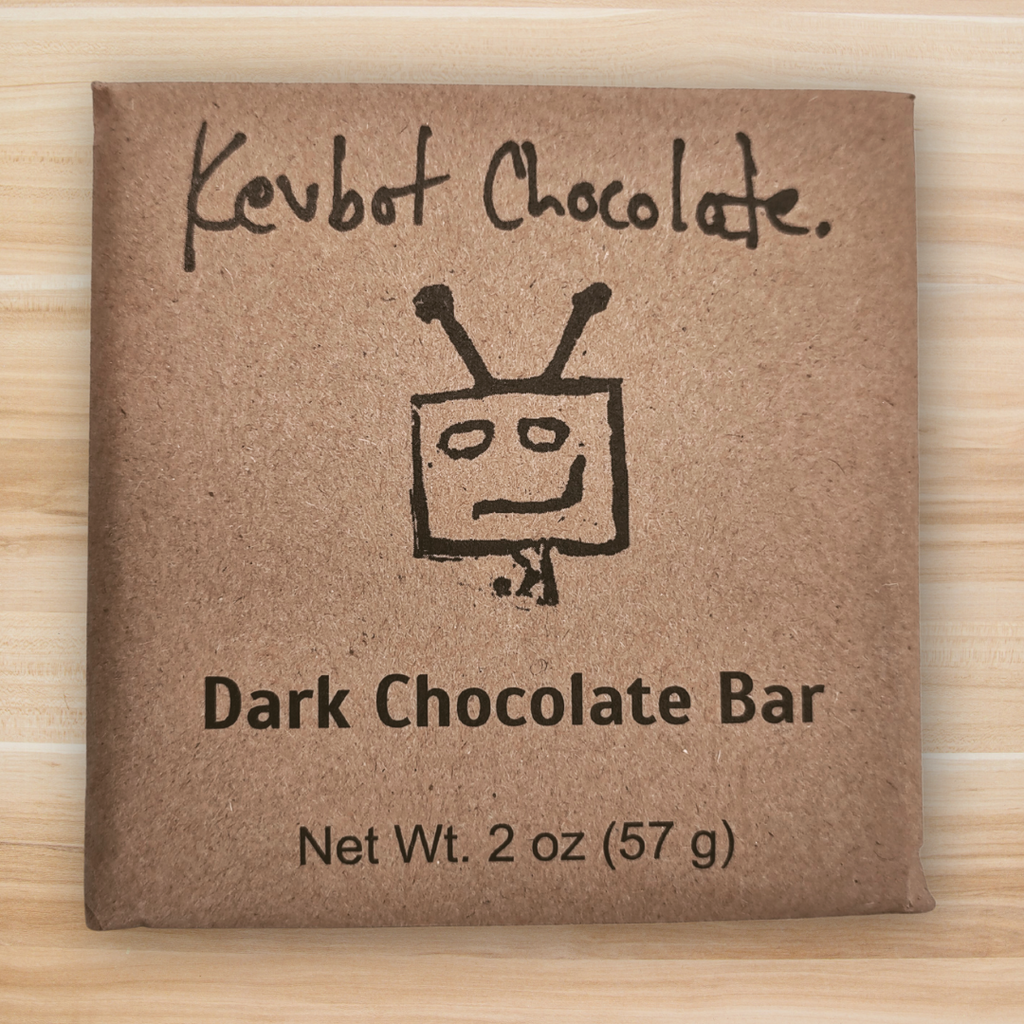
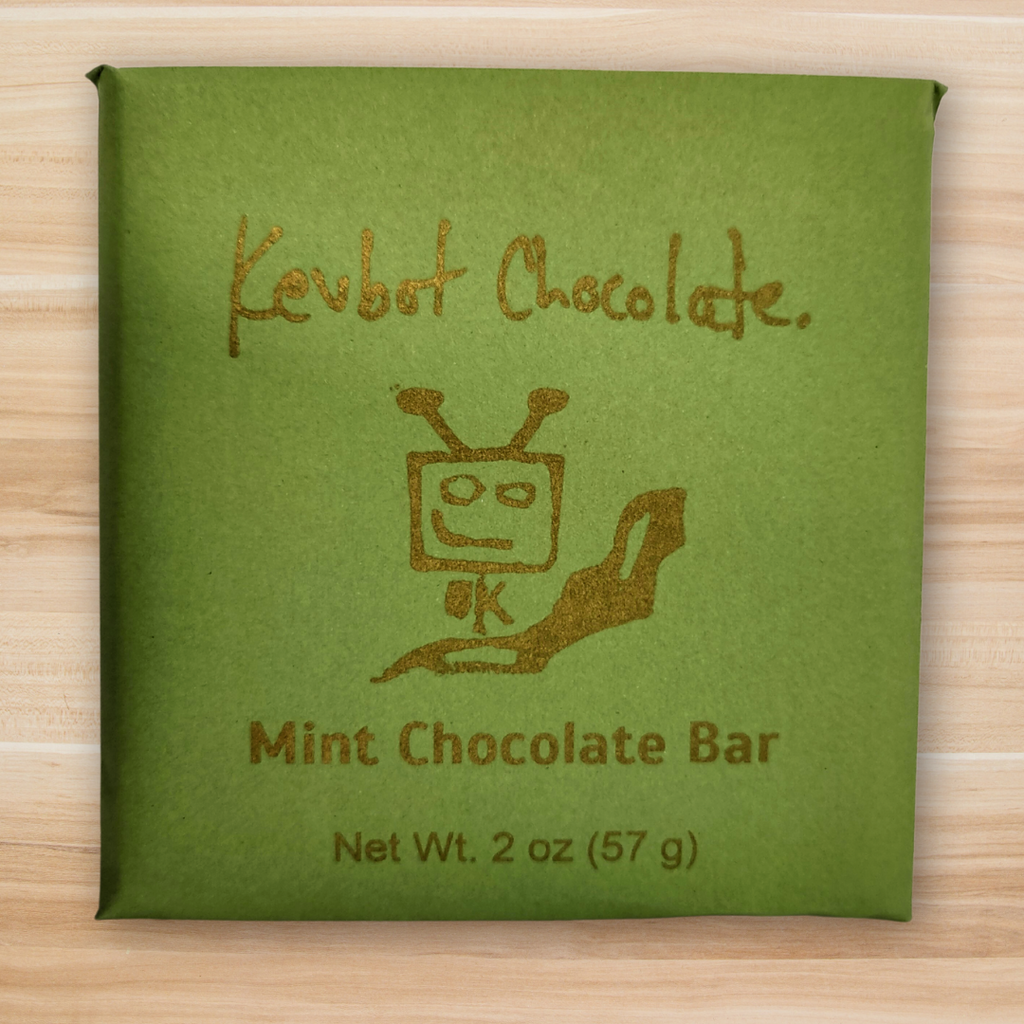
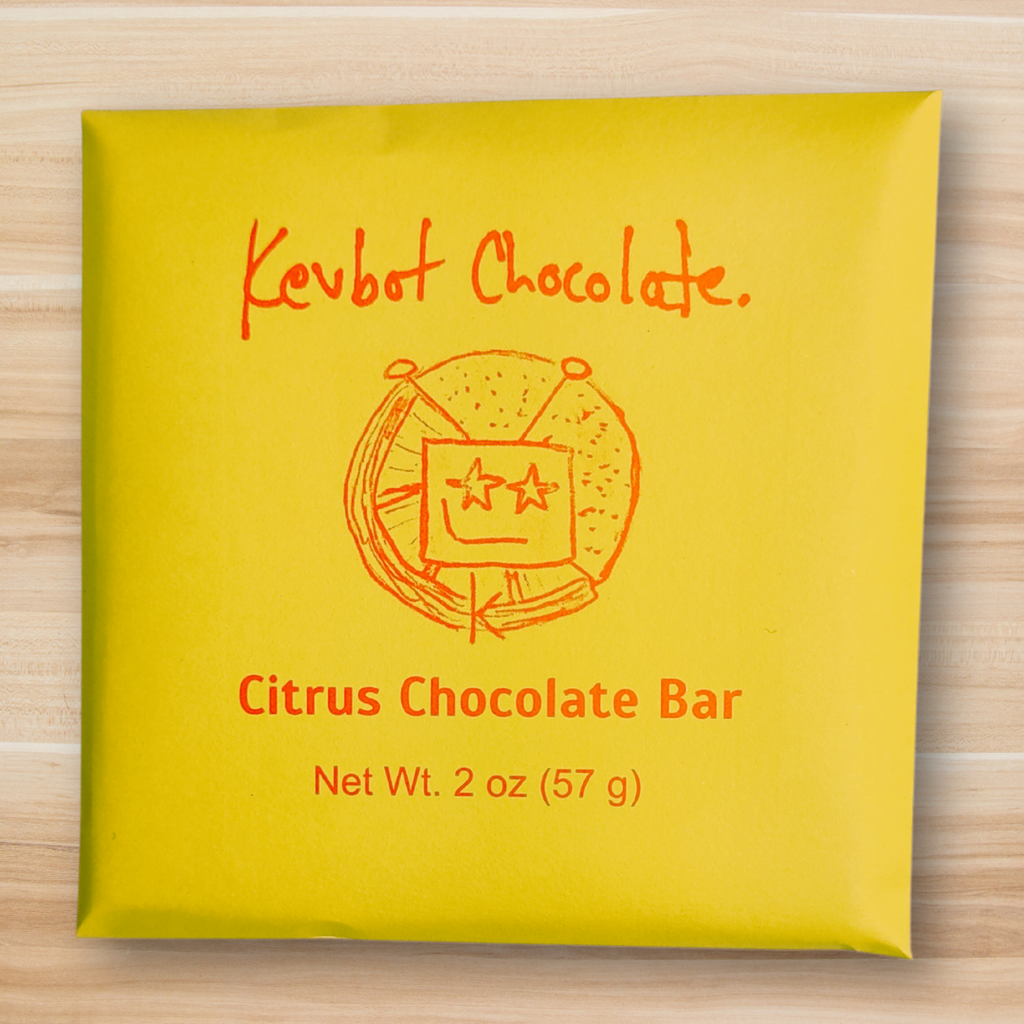

Every purchase helps keep our Appalachian magazine alive and thriving.
Pocahontas County, West Virginia
At more than 10,000 acres, Watoga is West Virginia’s largest state park. It is also among its darkest. Watoga, Calvin Price State Forest, and Droop Mountain Battlefield State Park collectively hold an International Dark Sky Park designation, creating one mighty dark corner of the Mountain State.
Watoga Dam is a favorite viewing spot, offering a wide-open look at the sky with a little starlight reflected in the lake for extra drama. On a clear, moonless night, the Milky Way cuts a pale path overhead, while planets, constellations, and meteor showers can often be spotted without hauling along a telescope the size of a water heater.
Pisgah National Forest, North Carolina
Black Balsam Knob has no planetarium, public telescope, or astronomer pointing out the constellations. What it does have is a 6,214-foot summit, a wide-open grassy bald, and very little standing between visitors and the heavens.
A trail of less than a mile climbs from the parking area to the summit. Because the mountaintop is largely free of trees, stargazers get broad views in nearly every direction. If you are feeling adventurous, haul in a tent.
Jamestown, Tennessee
Pickett CCC Memorial State Park sits in a remote corner of the Cumberland Plateau, where light pollution has not yet crashed the party. Pickett and the neighboring Pogue Creek Canyon State Natural Area earned International Dark Sky Park status in 2015, protecting more than 19,000 acres of seriously starry real estate.
For the best view, head to the Pogue Creek Canyon Astronomy Field, a purpose-built clearing with an unobstructed view of the night sky. Once the stars have thoroughly worn you out, retreat to a campsite or historic cabin for some well-earned shut-eye.
WHY WINTER HIKING IS BETTER
NEXT UP