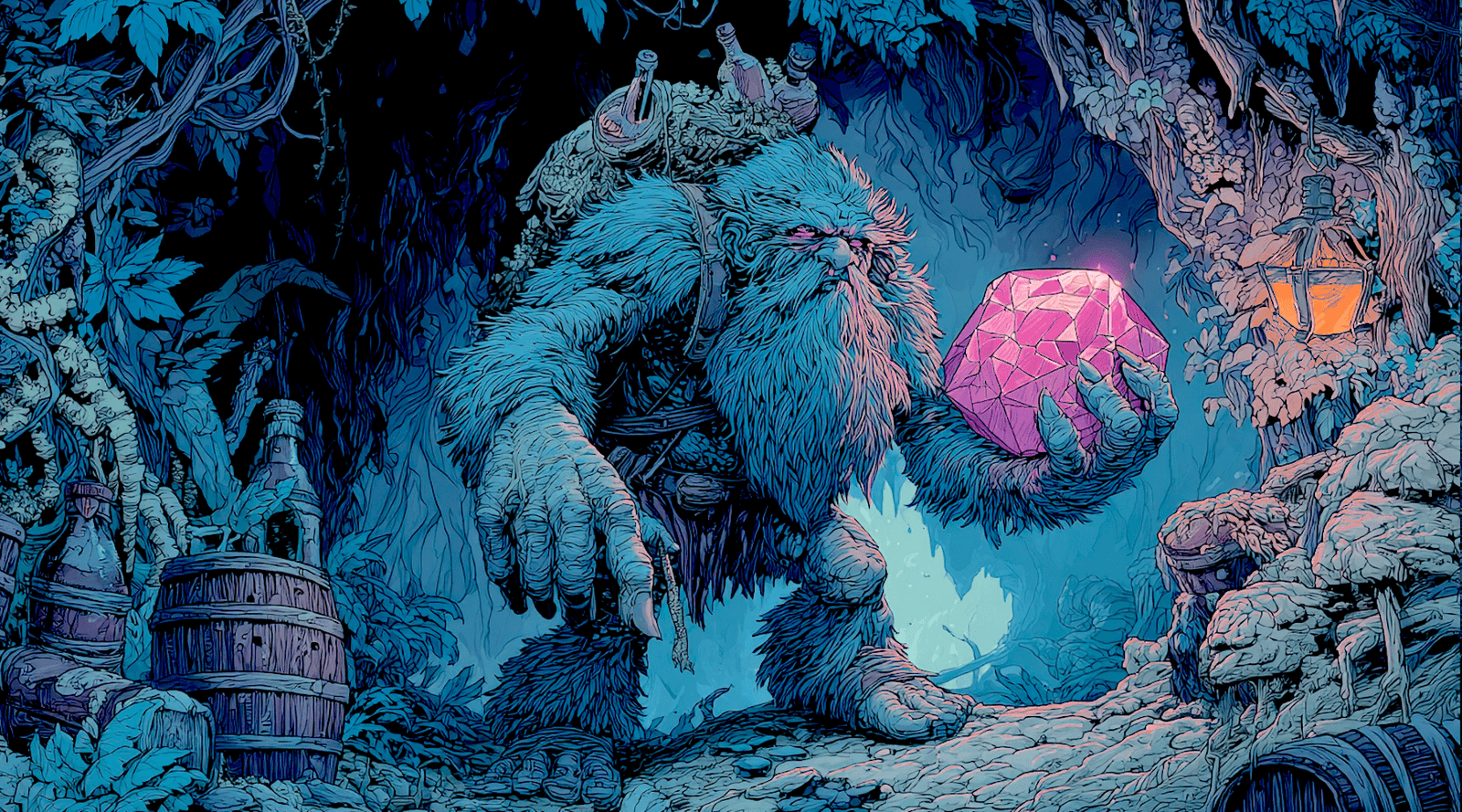
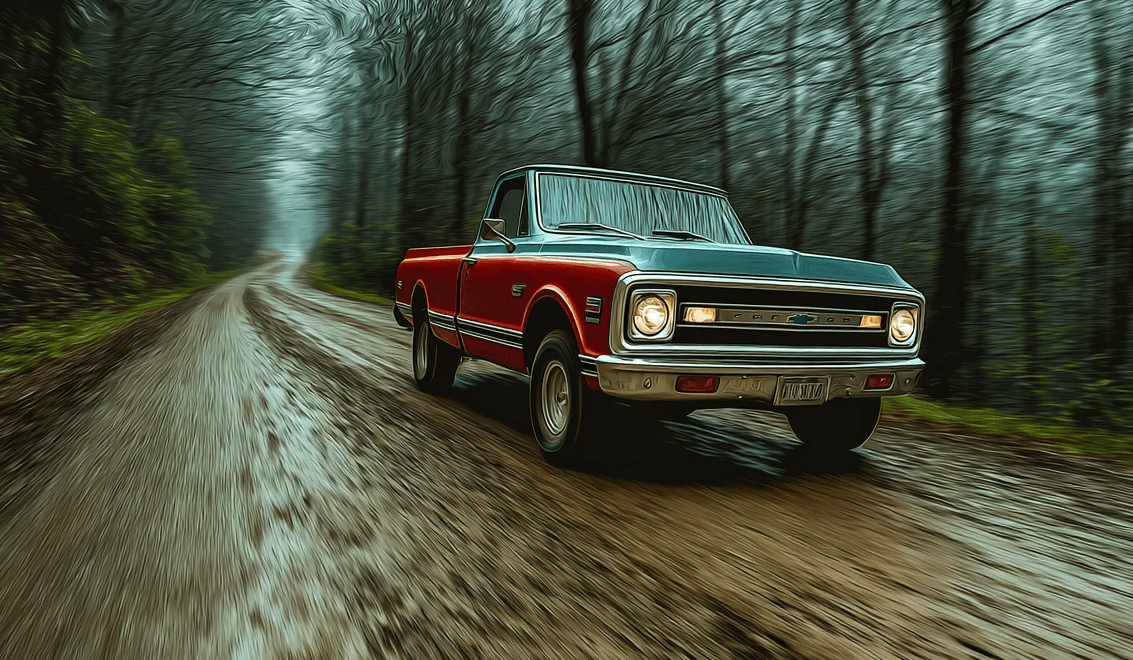

IMAGE BY MIDJOURNEY.
“To make a buck and stay out of the slammer, ridge runners needed speed. So, they souped up plain four-door coupes with Cadillac engines and filled their trunks with firewater. When revenuers gave chase, they’d kill the lights, sling a hairpin turn, and leave the law eating dust.”
Historically speaking, Appalachian folk have driven like bats out of hell.
During Prohibition, our mountains brimmed with moonshiners running white lightning from hidden hollers to thirsty cities. For many families in places like Wilkes County, North Carolina, and Franklin County, Virginia (aka the “Moonshine Capital of the World”), selling jars of corn liquor kept food on the table when factory wages and farmland were scarce.
But to make a buck and stay out of the slammer, ridge runners needed speed. So, they souped up plain four-door coupes with Cadillac engines and filled their trunks with firewater. When revenuers gave chase, they’d kill the lights, sling a hairpin turn, and leave the law eating dust.
Before long, the drivers became as famous as the hooch. By the 1930s, runners were swapping raids for racetracks across the Blue Ridge, from North Wilkesboro Speedway to Martinsville. In 1947, what began as a crime roared into a national sport: NASCAR.
ROAD SNACKS
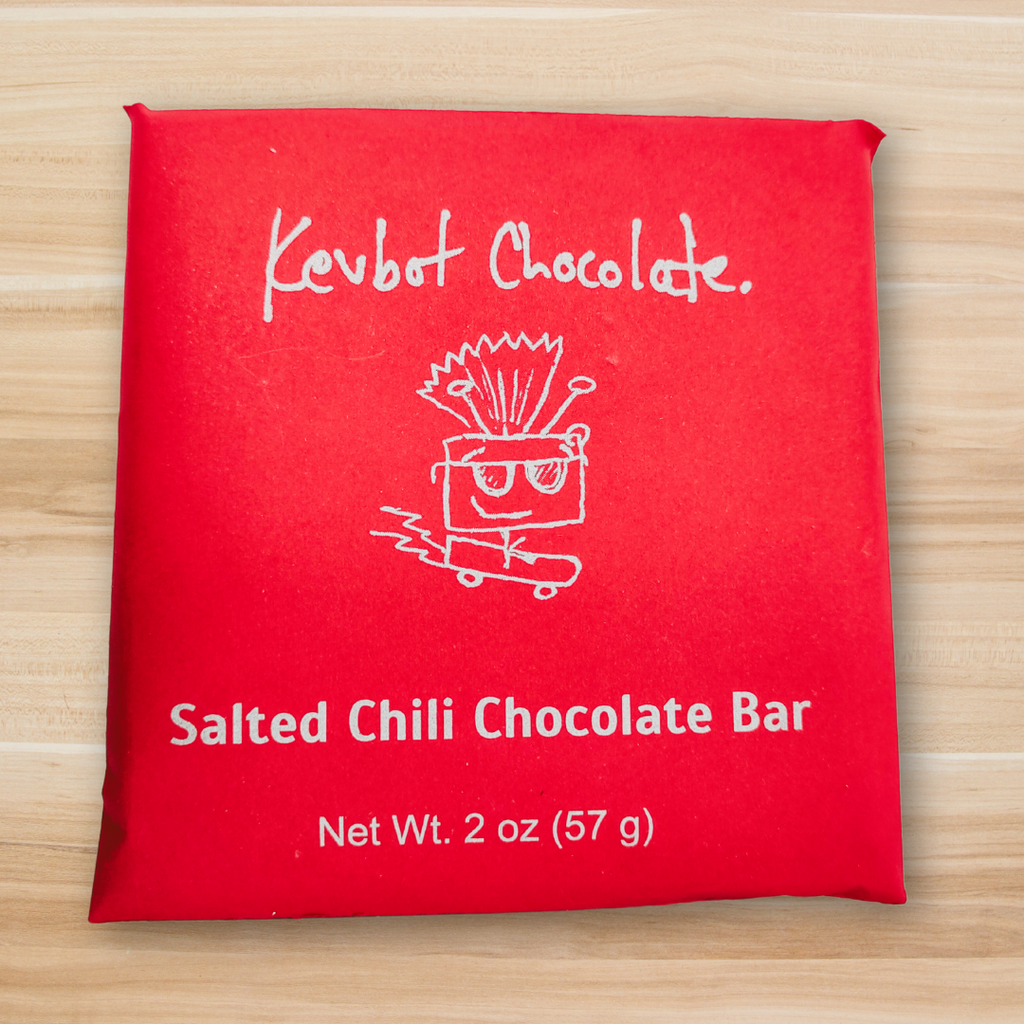
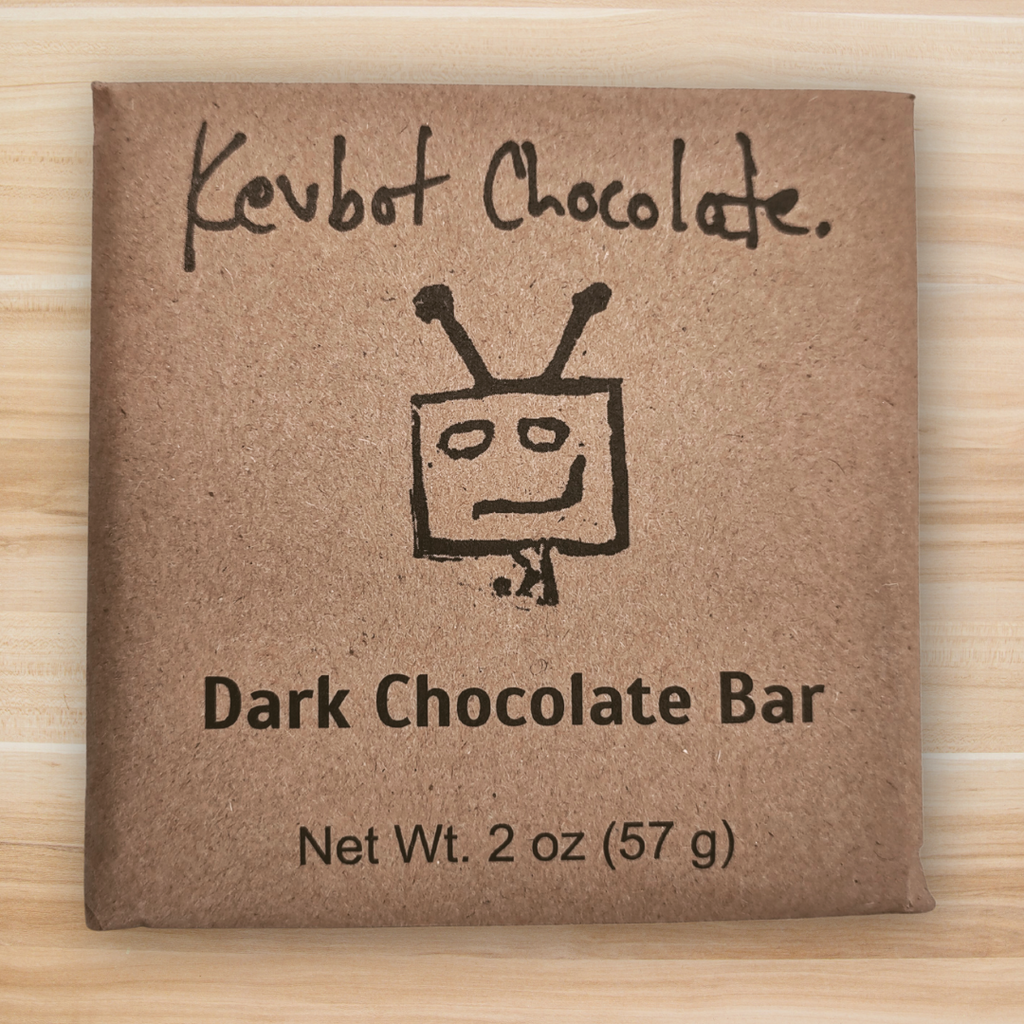
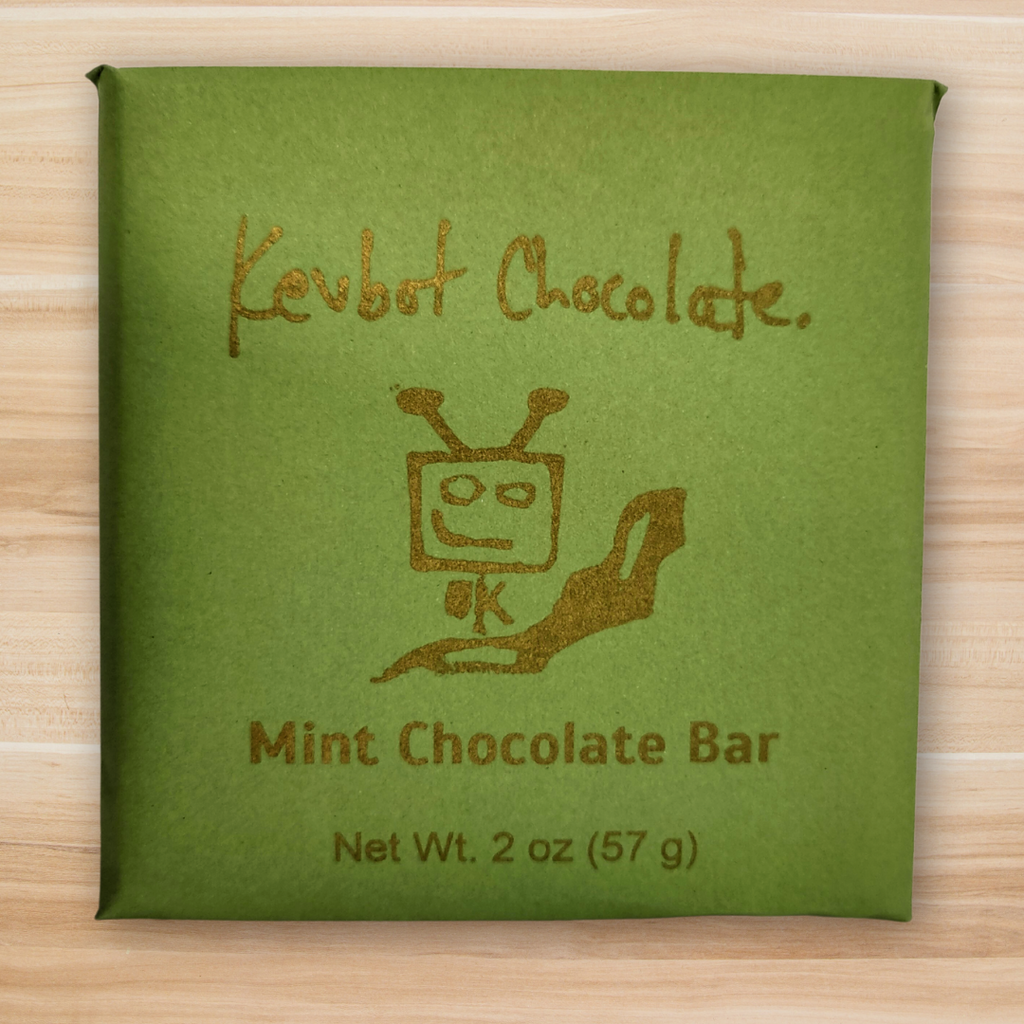
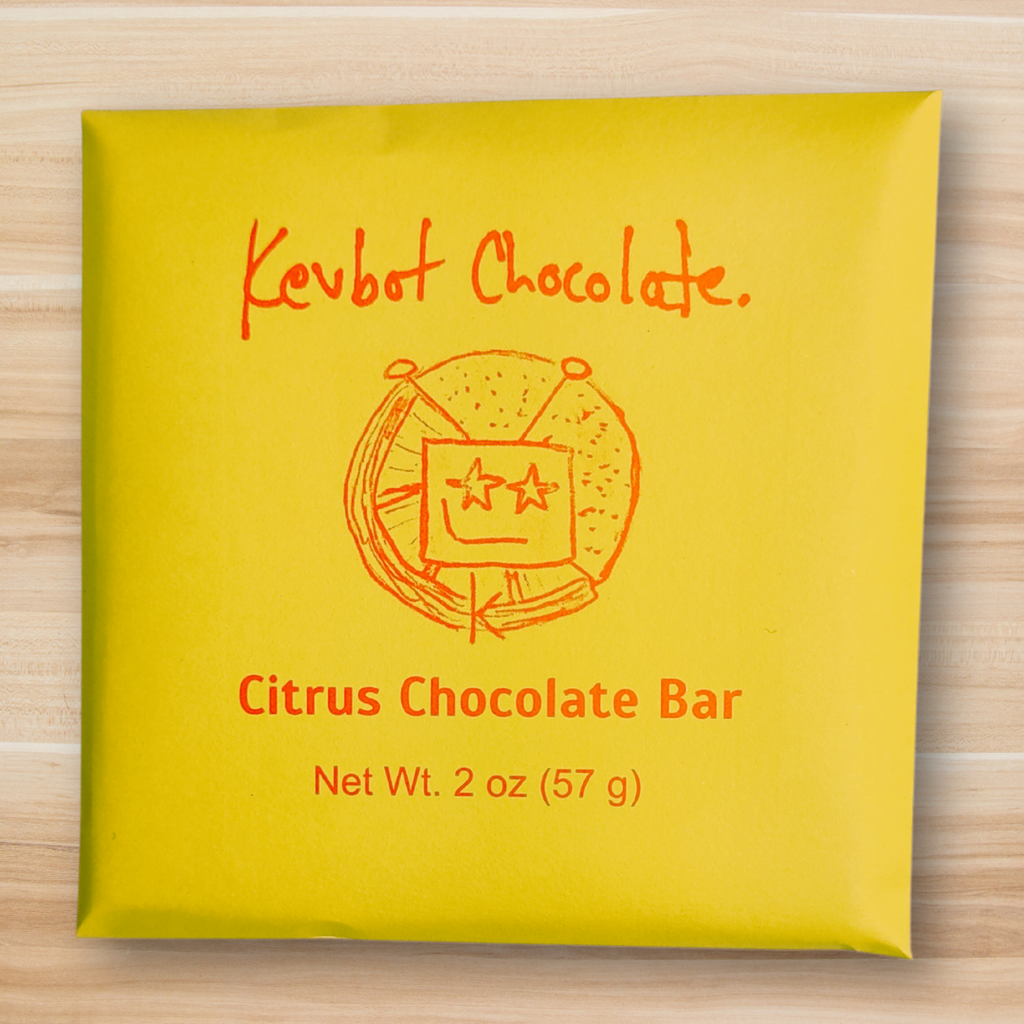

Every purchase helps keep our Appalachian magazine alive, thriving, and free to readers like you.
A Western North Carolina native, my Daddy came of age in the long shadow of that culture. He’d grin when he told me about racing down Spartanburg Highway with his six brothers as a teen, or the time he sweet-talked his way out of spending a night in the slammer when he got caught going 100 m.p.h. in a 40 zone.
He passed his lead foot down to me and my brother. When we were kids, he’d mash the gas on some lonely backroad while we squealed in the backseat, safely buckled in. And every now and then, he’d take us to the Greer Dragway just over the South Carolina state line. We’d leave happy, our ears ringing and our clothes smelling of gasoline and concession-stand hotdogs.
Daddy taught us about the slower side of Appalachian driving, too. On muggy Sunday afternoons, he’d drive 10 under, arm hanging out the window while he scouted for whitetail in alfalfa fields and pointed out hawks perched on power lines. If we ended up crawling behind a tractor, he’d just ease back. “Them boys are working,” he’d say matter-of-factly, sipping his Coke like he had all the time in the world.
Last August, Daddy died in the same hospital where he was born, 63 years earlier. My chest still tightens when I see a cherry-red Toyota Camry — his “grandpa car,” we called it — a far cry from the Chevy Impala he once dared across the ice of Rhododendron Lake just to prove he could.
I’d give anything to ride shotgun with him one more time, and I think these are the three things he’d want me to remember about driving in our mountains.

THE WRITER'S FATHER, WHO TAUGHT HIS DAUGHTER lessons on mountain backroads THAT stretched far beyond driving.
1) RESPECT YOUR NEIGHBORS.
On a one-lane bridge, Daddy never went first. He’d let off the gas, wave the other driver across, and only then take his turn. Doing right by his neighbors mattered more than who technically had the right-of-way. He never skipped the two-finger wave, either. Even if he didn’t know you from Adam, he’d tip his hand just the same — a small gesture that said, “We share this road.”
2) DON'T BE IN SUCH A DARN'D HURRY.
Sure, the old ridgerunners had to fly down backroads to keep revenuers off their tail, and some of them ended up at North Wilkesboro or Martinsville, turning bootlegging into NASCAR glory. Daddy carried that same need for speed, but he also knew there was no prize for tailgating a tractor or barreling blind into a curve. Sometimes you’ve just got to roll down the windows, blast Waylon Jennings, and sip a cold soda. You’ll get there.
3) KICK UP SOME DUST EVERY NOW AND THEN.
Of course, Daddy still believed in cutting loose. After a long week, he’d whip his Jeep, one of the many vehicles sandwiched between his old Impala and his grandpa Camry, in dizzying loops behind the Sav-Mor Foods, tires screeching while I grinned ear to ear. Other times, he’d haul me and my brother up Pinnacle Mountain, plowing through waist-deep mudholes and bouncing us over boulders that left our teeth rattling. Once, when the Jeep bottomed out, I hollered my first cuss word, and he laughed so hard his shoulders shook.
Now, I won’t lie and say Daddy didn’t like to raise a little hell. After all, he was born to hardscrabble mountain folk who knew how to fight, work, and play hard. But for him, gunning his engine through apple country at 2 a.m. wasn’t about causing trouble — it was about wringing joy out of life while he still had the wheel.
ASHEVILLE LADY BOOTLEGGERS
NEXT UP